Like the storied Māori warriors who once protected their lands, today’s pest control Hastings specialists in New Zealand face a vital battle against invasive species. You’ll find that our island nation’s unique ecosystem demands specialized approaches that go far beyond conventional pest management.
While New Zealand’s unique ecosystem faces challenges from both native and introduced pests, the country has developed extensive pest control strategies that prioritize environmental protection.

The pest control methods you’ll encounter focus on targeting invasive species like possums, stoats, and rats that threaten native birds such as kiwi and kakapo.
DOC’s approach combines traditional techniques with innovative solutions, including predator-proof fencing and community-led initiatives like Predator Free 2050.
You must follow strict guidelines when implementing pest control measures, ensuring compliance with the Hazardous Substances and New Organisms Act 1996 and consulting local iwi for cultural considerations.
For effective pest control in New Zealand, you’ll need to understand several distinct approaches and methodologies that work together as an integrated system.
The main sections you’ll encounter include chemical control, biological control, physical barriers, and cultural control methods.
Chemical control involves targeted pesticides and toxins like sodium fluoroacetate (1080), while biological control utilizes natural predators and pathogens specific to New Zealand pests.
Physical barriers encompass trapping systems, exclusion fencing, and bait stations designed for local species like possums and stoats.
Cultural control focuses on environmental modification, including vegetation management and sanctuary creation.

You’ll also need to understand monitoring techniques, compliance with the Resource Management Act 1991, and DOC guidelines for implementing these control methods in New Zealand’s unique ecosystem.
Professional photography plays an essential role in documenting New Zealand’s pest control efforts, requiring high-resolution images that capture both the devastating impact of invasive species and the successful intervention methods.
You’ll need National Geographic-quality photographs showing possums stripping native trees, stoats preying on kiwi chicks, and rats devastating bird populations. Close-up shots should display the precision of trap mechanisms and bait stations, while aerial imagery can showcase large-scale pest control operations across diverse landscapes.
For conservation impact, you’ll want dramatic before-and-after sequences highlighting forest regeneration and the return of native species.
Ascertain photographers use telephoto lenses for wildlife safety and follow strict biosecurity protocols. Include infrared trail camera footage to document nocturnal pest behavior and control effectiveness.
New Zealand’s extensive pest control program stands as one of the world’s most ambitious conservation initiatives, targeting multiple invasive species that threaten the country’s unique biodiversity.
You’ll find that the country employs a thorough approach, combining aerial and ground-based methods to control pests like possums, rats, and mice.
The Department of Conservation’s primary tool is aerial 1080 drops, which you can see deployed across remote areas where ground access is limited.
They’re complemented by ground-based trapping networks and bait stations that you’ll notice along hiking trails and in accessible forest areas.
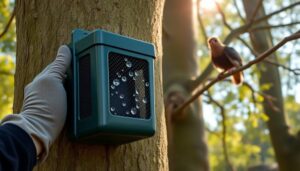
You’ll discover that these methods work together with advanced monitoring systems, including tracking tunnels and motion-sensor cameras, to guarantee the effectiveness of pest control operations while protecting native species.
As a certified pest control technician operating in New Zealand’s diverse ecosystems, I’ve implemented thorough control strategies that balance ecological preservation with effective pest management.
I regularly deploy integrated pest management (IPM) techniques, combining biological controls like predator species with targeted chemical applications when necessary. You’ll find me using species-specific baits for possums and rodents, while implementing exclusion methods for birds and larger pests.
I always consider the native wildlife when selecting control methods. We use DOC-approved traps and guarantee all pesticides meet strict environmental guidelines.
My work often involves coordinating with local conservation groups to protect endangered species while eliminating invasive ones. Regular monitoring and data collection help me adjust strategies for maximum effectiveness with minimal environmental impact.



 One of the most common mistakes in SEO is keyword stuffing. Keyword stuffing refers to the practice of excessively using targeted keywords throughout your content in an attempt to manipulate search engine rankings. While it’s essential to include relevant keywords in your content, overusing them can lead to a poor user experience and may even result in search engines penalizing your website. Instead, focus on creating high-quality, informative content that naturally incorporates relevant keywords in a way that enhances readability and user engagement.
 Page load speed is a critical factor in both user experience and search engine rankings. Slow-loading websites tend to have higher bounce rates, as users quickly lose patience and navigate away. Additionally, search engines prioritize fast-loading sites to provide the best possible experience to their users. To avoid this pitfall, optimize your website’s performance by minimizing file sizes, leveraging browser caching, and optimizing server response times. Regularly monitor and improve your page load speed to ensure a seamless user experience.
 Metadata and title tags are vital elements of on-page optimization. Neglecting them can have a significant impact on your website’s search engine visibility. Each page of your website should have unique and descriptive title tags that accurately represent the content on that page. Additionally, optimizing your metadata, including meta descriptions and alt tags, helps search engines understand the relevance of your content. By optimizing these elements, you improve the chances of your web pages appearing in search engine results and attracting relevant traffic.
 The effects of lip filler typically last for about 6 months, though this can vary depending on the individual patient. The injections are relatively quick and painless, with minimal discomfort during treatment. After the injection, patients may experience some swelling or bruising in the area that will usually resolve within a few days.
 The most common side effects associated with lip fillers include swelling, bruising, pain, and inflammation at the injection site. These side effects typically resolve within a few days but can take up to 2 weeks. In rare cases, lip fillers may also cause an allergic reaction or infection at the injection site. Additionally, there is also a risk of lumpiness or asymmetry if the procedure isn’t performed correctly.
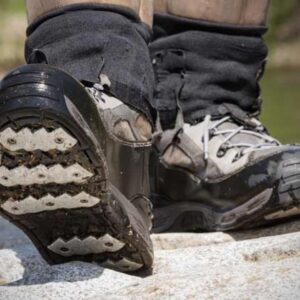 Traction is perhaps the most critical feature to consider when selecting wading boots. Fly fishing often takes place in fast-moving rivers and streams, where rocks and algae-covered surfaces can be incredibly slippery. Look for boots that offer a high-quality, durable rubber sole with deep treads for optimal traction. Some boots even come with specialized gripping systems, such as Vibram soles, which provide excellent traction on a variety of surfaces.
 4) Comfort and Fit:
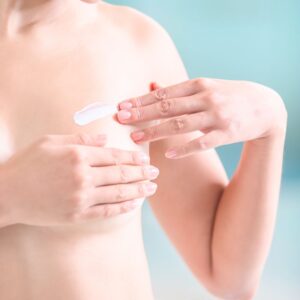 Breast creams are topical products specifically formulated to be applied to the breasts. They often contain a combination of natural ingredients such as herbs, vitamins, and plant extracts that claim to stimulate breast tissue growth and improve overall breast health. These creams are typically massaged into the skin in a circular motion, allowing for better absorption and potential results.
 One significant benefit of breast creams is their potential to moisturize and nourish the skin. These creams often contain ingredients like hyaluronic acid, collagen, and shea butter, which can help improve skin elasticity and hydration. Regular application of breast creams may result in softer, smoother skin around the breast area, providing a youthful appearance.



 Foam-filled tires are designed to provide superior traction, which helps reduce the risk of accidents in hazardous work environments. Their heavy-duty casing also ensures that they can withstand high levels of wear and tear, even in rough working conditions. As an added bonus, foam-filled tires typically last longer than pneumatic ones because there is no need to regularly check and adjust air pressure.
 Foam-filled tires offer many benefits over traditional pneumatic tires. First and foremost, they are much more puncture resistant due to the foam sealant that is injected into them during manufacturing. This makes them a great choice for working in environments where sharp objects may be present, such as construction sites and mines. Additionally, foam-filled tires are known to have improved shock absorption compared to pneumatic tires, helping you get a smoother ride even on rough terrain.